The gallery opens at six. By seven, the narrow soi outside — a dead-end alley in the Charoen Krung district, between a noodle shop that has been here for thirty years and a building whose function is unclear — is full. Not full in the way of an art opening trying to generate the impression of fullness, but actually full: of artists and collectors and architects and people who work in fashion and film and music and came because they heard something interesting was happening here.
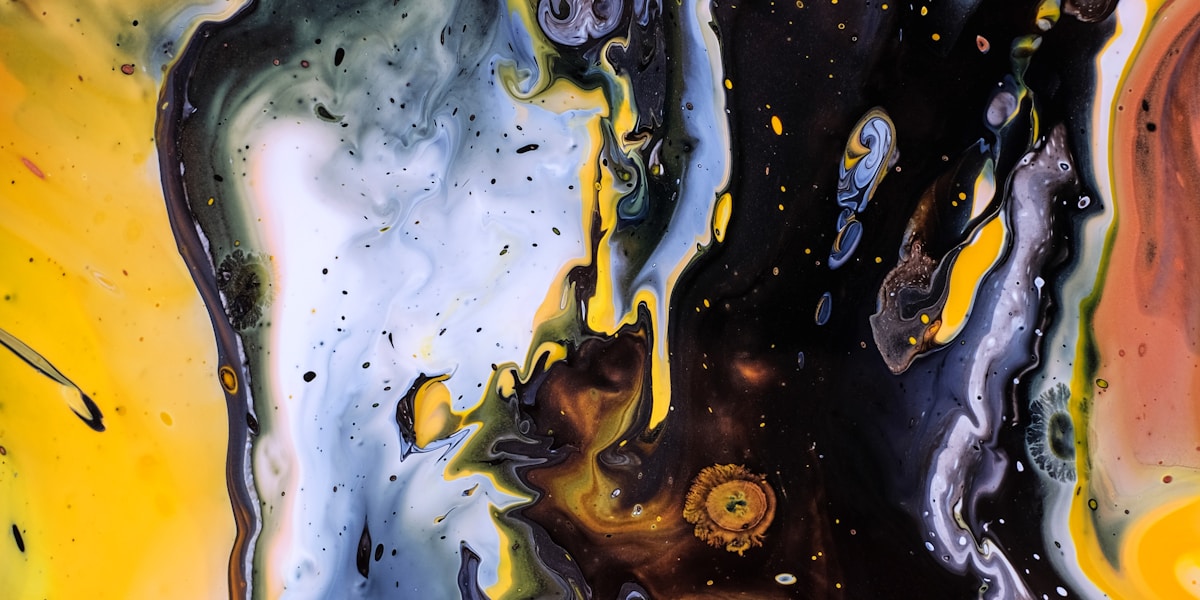
Inside, the work is extraordinary. A Thai artist who trained in Germany has made a series of large canvases that process the specific anxiety of living between cultures — the colours are those of Buddhist temple murals, the compositional logic is European abstraction, the result is something neither tradition anticipated. It has no precedent. It could only have come from here.
This is Bangkok's contemporary art scene in 2026. It has been building for longer than most people outside it realise.
The Infrastructure That Built It
The Bangkok art world did not emerge from nowhere. It was built, gradually and without much fanfare, by a generation of gallerists, collectors, curators, and artists who understood that the city had the conditions for a serious contemporary art culture and decided to act on that understanding.
Tang Contemporary Art, which opened its Bangkok space in 2012, brought international gallery infrastructure to the city — the credibility of representation, the connections to the global art market, the exhibition programme that could attract artists and collectors from outside Thailand. 100 Tonson Foundation, established by the collector Bhichit Rattakul, built a genuinely ambitious non-commercial space that has mounted some of the most thoughtful exhibitions in the region.
BAB — Bangkok Art Biennale — launched in 2018 as a counterintuitive intervention: a large-scale international art event in a city with Buddhist temples, royal palaces, and street food markets as its primary cultural image. The first edition was uneven, as first editions are. The subsequent editions have been progressively more confident, and the most recent drew artists and visitors from across Asia and beyond.
Why Bangkok Specifically
The question of why Bangkok rather than Singapore or Kuala Lumpur or Jakarta as the centre of Southeast Asian contemporary art is partly answered by economics and partly by something less quantifiable.
The economics: Bangkok is cheap enough that artists can live and work here without the financial pressure that makes serious work difficult in more expensive cities. The manufacturing and craft infrastructure is extraordinary — the same skills that make Thailand a global garment and design production hub make it a place where artists working with unusual materials and processes can find collaborators and fabricators. The gallery rent is a fraction of Singapore.
The less quantifiable factor is cultural density. Bangkok is one of the most visually complex cities on earth — a place where the sacred and the commercial and the vernacular exist in such close proximity that the friction between them generates constant visual energy. Artists who live here are immersed in a visual culture of extraordinary richness. It shows in the work.
The International Gaze and What It Changes
The arrival of serious international attention — collectors from Hong Kong, dealers from London and New York, inclusion in Art Basel conversations — is genuinely good for the artists whose work is being seen and acquired. Recognition and economic sustainability are not luxuries in the art world. They are what allow artists to keep working.
But international attention also changes what it looks at. The work that travels — that is legible to global audiences, that fits into existing frameworks for valuing and contextualising contemporary art — is not always the work that is most interesting within the local context. The risk, as Bangkok's art scene becomes more visible globally, is that the work that gets amplified is the work that most resembles what the global art market already knows how to read.
The gallerists and curators who care most about the Bangkok scene are aware of this. Their strategy, in varying forms, is the same: to insist on the specificity of the work — its Thainess, its Southeast Asianness, its irreducible relationship to this city and this culture — as a value rather than a limitation.
The Next Five Years
The trajectory is clear. Bangkok will become, over the next five years, a more significant node in the international contemporary art world than it currently is. The infrastructure is there. The artists are there. The collector base, both local and regional, is growing.
What is not certain is which Bangkok art scene becomes globally visible — the one that is genuinely specific to this place, or the one that has learned to speak the language of the global art market. The most interesting cities in art history have been the ones where the answer to this question was the former. The pressure, as attention arrives, is always toward the latter.